
Is Self Criticism Increasing RSD? Why ADHD Makes You Fear Rejection - Even When No One’s Rejecting You

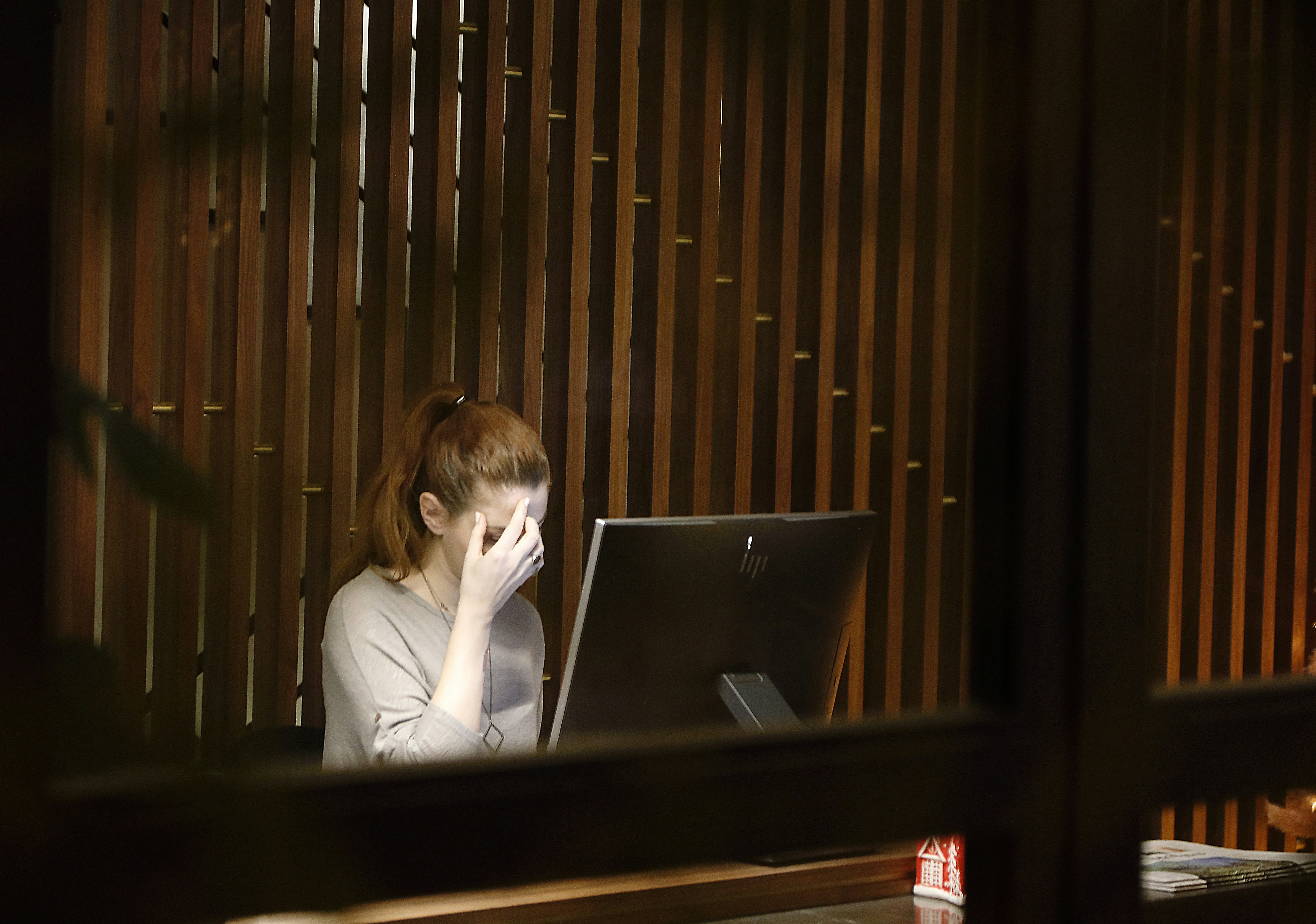
If you’re an adult with ADHD, you might recognise the feeling of someone taking too long to reply, sounding a bit blunt, or giving you neutral feedback, and suddenly your stomach drops and your mind jumps straight to the worst conclusion. It can feel like you’ve done something wrong, even when you haven’t. These intense reactions, often described as Rejection Sensitive Dysphoria (RSD, are something I hear about from clients again and again.
RSD isn’t a formal diagnosis, but it’s a very real experience for people with ADHD. And the more I work with late-diagnosed or self-suspected ADHD adults, the more I see a pattern - the fear of rejection doesn’t just appear from nowhere. It grows out of years of criticism, misunderstanding and feeling like you’re not quite measuring up. Over time, those external messages settle inwards and become part of how you speak to yourself.
Research backs this up. Adults with ADHD report higher levels of perceived criticism and lower self-compassion than those without ADHD. When you’ve spent much of your life hearing things like ‘try harder,’ ‘stop overreacting,’ ‘you’re lazy,’ or ‘why can’t you just...?’, it shapes the way you see yourself. Even when no one is criticising you anymore, your brain expects it and prepares for it.
So this got me wondering as I drove home the other day: if someone with ADHD has spent years internalising negative messages, it makes sense that a self-critical inner voice would heighten their vulnerability to RSD. When you’re already harsh with yourself, even the slightest change in someone’s tone can feel loaded. Neutral feedback becomes a personal attack. A delayed reply becomes ‘I’ve done something wrong.’ A partner or boss saying ‘we need to talk’ feels like the ground drops beneath you.
It isn’t irrational. It’s learned.
And when the voice in your head is already telling you you’re failing, messing things up, or annoying people, you’re more likely to interpret neutral situations as criticism because it’s what you’ve come to expect. The brain fills in the gaps with the story it already believes.
This often shows up in therapy when someone says, ‘I know I’m overreacting, but it feels so real,’ or ‘I can’t tell if someone’s actually annoyed with me or if it’s just me.’ That just me is important. Many adults with ADHD describe living with a constant internal commentator, one that’s impatient, judgemental and always anticipating rejection. So when something ambiguous happens, it hits a sensitive nerve - not simply because of the moment itself, but because of everything that has come before it.
The good news is that this pattern isn’t fixed. A lot can shift when you start to understand where these reactions come from and how they’ve become so deeply wired into your emotional responses. Therapy can be incredibly helpful here. It gives you the chance to explore how criticism (real or perceived) has shaped you, and to separate what belongs in the past from what’s actually happening in the present.
Together, we slow things down enough to notice the early signs of an RSD response rather than getting swept away by it. We look at what triggers that internal voice, how it speaks to you, and how to soften it so it’s not running the show. Over time, people learn how to challenge the old narratives, soothe their nervous system when rejection feels overwhelming, and build emotional tools that help them stay grounded. They begin to recognise when their brain is reacting to an old wound rather than current reality.
Clients often tell me that they still feel sensitive, but they no longer lose themselves in the spiral. The intensity reduces. They recover more quickly. They become more able to say, ‘This feels like rejection, but I know that doesn’t necessarily mean it is.’ And one of the most meaningful shifts they describe is the relief of not constantly assuming or worrying that they’ve upset someone.
When your inner voice becomes kinder, the outside world stops feeling quite so threatening.
If this feels like you, it’s not because you’re too sensitive or overreacting. It’s because you’ve spent a long time carrying criticism, both from others and from yourself, and your nervous system has learned to brace for impact. But that doesn’t have to be your default forever.
Therapy can help you understand yourself more deeply, calm the emotional crashes, and build a way of responding that feels less painful and more grounded. You’re not imagining it, and you’re not alone in it. And if you’d like support, I’m here - you can get in touch by clicking here.
If you’re interested in reading more, here’s the science bit:
Beaton D.M., Sirois F., Milne E. Self-compassion and Perceived Criticism in Adults with ADHD (ADHD Traits vs No ADHD). Mindfulness, 2020. Read here.
Beaton D.M. Experiences of criticism in adults with ADHD: A qualitative study. 2022. Based on 162 participants, explores how criticism from others (real or perceived) is experienced by adults with ADHD and its impact on self-worth. Read here.
Verywell Health. Rejection Sensitive Dysphoria (RSD) and ADHD. Read here.